In 1995, a small interface element appeared that would eventually reshape global commerce. It was not a political event, a technological breakthrough, or a dramatic invention. It was simply a grey button on a webpage labeled “Add to Shopping Basket.”
When Amazon began operating from a small garage in Washington, the company was experimenting with something much bigger than online book sales. It was testing whether people would trust a computer screen enough to exchange money, personal information, and expectations for a product they had never physically touched.
At that moment, pressing a “Buy” button required confidence. Online shopping was unfamiliar, slow, and filled with uncertainty. The button represented a decision to trust an entirely new way of purchasing.
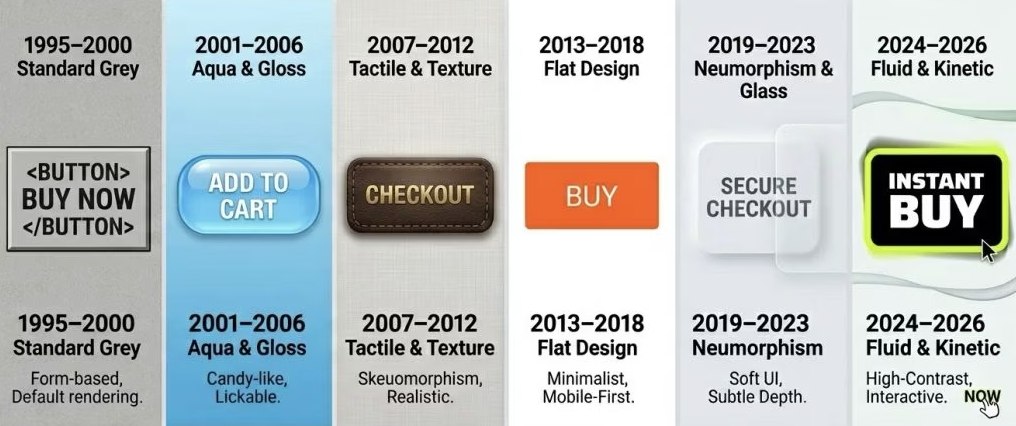
Three decades later, purchasing has become almost unrecognizable. The modern buying experience is no longer limited to clicking a rectangle on a screen. It can happen through voice commands, facial recognition, wearable devices, augmented reality, and increasingly through artificial intelligence systems acting on behalf of users.
The history of the “Buy” button is really the history of digital commerce itself: a constant effort to reduce hesitation, remove obstacles, and make transactions feel more natural.
The first stage of online shopping was defined by friction. During the mid-1990s, the internet was slow, unfamiliar, and difficult to navigate. Websites loaded through dial-up connections, security concerns were widespread, and entering credit card details into a website felt risky.
Early shopping interfaces relied heavily on familiar physical metaphors. The shopping cart concept helped people understand that digital stores worked similarly to traditional retail. Users could collect products, review their selections, and complete a purchase through a checkout process.
However, buying online was far from effortless. Customers had to browse through multiple pages, manually enter payment details, and wait for servers to process transactions. A failed connection could erase the entire process and force users to start again.
Amazon changed this experience dramatically with the introduction of one-click purchasing. Instead of asking customers to repeatedly enter information, the system stored their details and transformed buying into an immediate action. The company recognized that every additional step created an opportunity for hesitation.
The innovation was not only technical. It was psychological. By reducing the distance between desire and purchase, Amazon turned the checkout process into a faster, more instinctive behavior.

As online commerce matured after the dot-com crash, companies realized that convenience alone was not enough. Consumers needed confidence. The next evolution of the buying experience focused on trust.
Payment platforms such as PayPal became important because they created a layer of security between customers and unfamiliar online stores. Instead of sharing financial information with every retailer, users could rely on a trusted payment provider.
During this period, the “Buy” button also became connected to delivery expectations. Amazon Prime transformed purchasing from a simple transaction into a promise. Clicking the button no longer meant only “I am paying.” It represented speed, reliability, and the expectation that a product would arrive quickly.
Retailers began surrounding purchase buttons with security indicators, verification symbols, and trust badges. The button itself became part of a larger psychological system designed to reassure customers and reduce anxiety.
The arrival of smartphones introduced another major shift. Traditional checkout experiences designed for desktop computers became inconvenient on smaller screens. Typing long payment forms with a touchscreen was frustrating, creating demand for faster solutions.
Mobile payment systems changed purchasing from a typing activity into an identity confirmation process. Services such as Apple Pay and Google Pay allowed users to approve transactions through fingerprints, facial recognition, or device authentication.
The body itself became part of the payment interface. Instead of entering information, users simply confirmed who they were.
Mobile design also changed the physical placement of purchasing controls. Buttons moved closer to where thumbs naturally rested, creating interfaces optimized for one-handed use. The buying experience became faster, smaller, and more immediate.
When Amazon’s one-click purchasing patent expired, instant checkout became available across the wider e-commerce ecosystem. Smaller businesses could now offer similar experiences through platforms such as Shopify, making quick purchasing a basic expectation rather than a competitive advantage.
The next transformation happened when buying moved beyond online stores and entered everyday digital environments. Social media platforms introduced integrated shopping features that placed products directly inside content.

Instagram posts, influencer content, and TikTok videos became storefronts. Users no longer needed to leave the platform, search for a product, and complete a separate shopping journey. The purchase opportunity appeared at the exact moment interest was created.
This created the era of contextual commerce. The product and the purchase decision became connected to the experience that inspired it.
Voice assistants pushed this idea even further. Commands such as asking a smart speaker to reorder household items removed the screen entirely. The buying process became invisible, existing as part of everyday conversation.
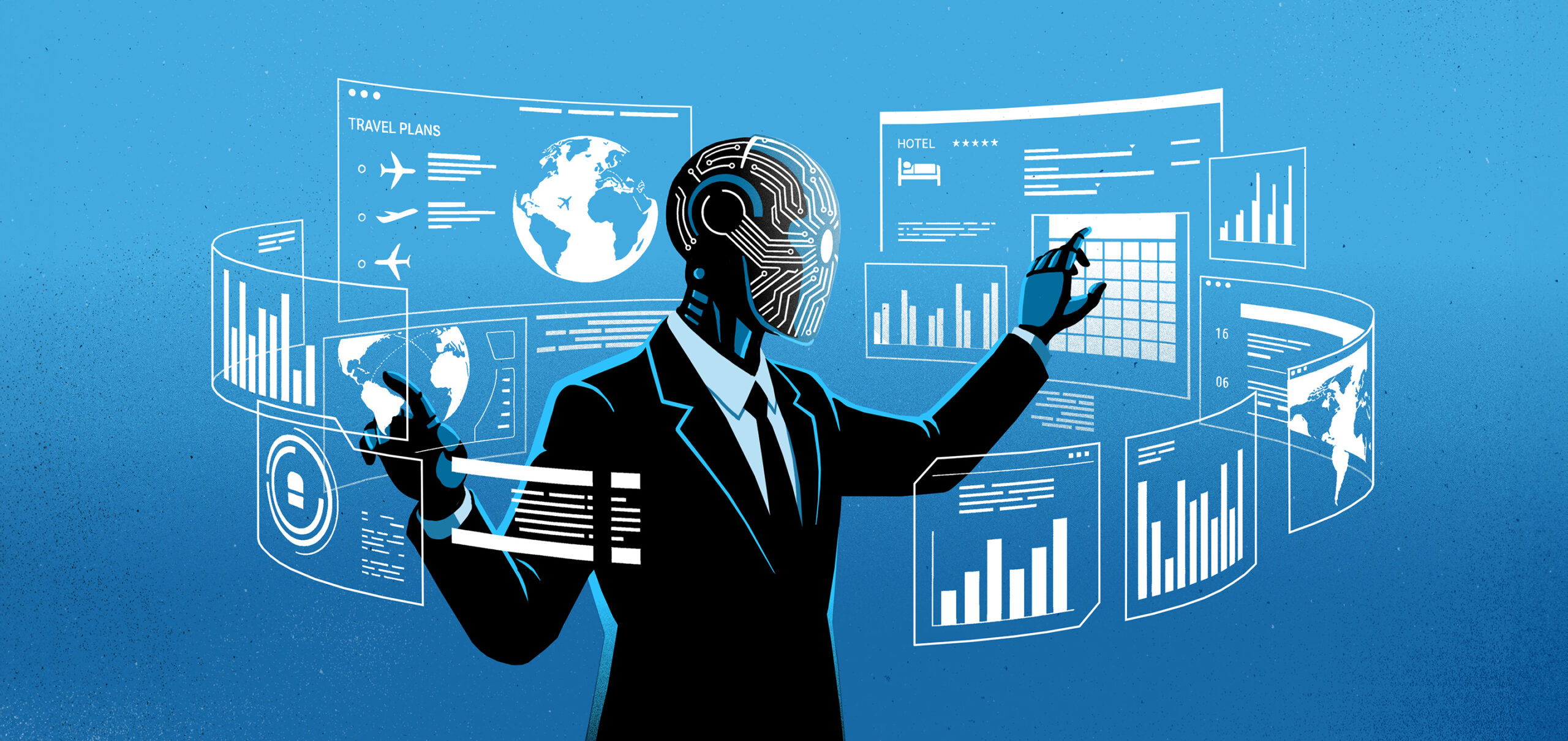
By the middle of the 2020s, commerce began moving toward an agent-driven model. Artificial intelligence systems started acting as personal shopping assistants capable of searching, comparing, and recommending products based on individual preferences.
Instead of manually browsing hundreds of options, consumers could describe what they wanted and allow an AI agent to handle the research. The interaction changed from “find and buy” to “approve a recommendation.”
The purchasing decision remained human, but much of the work before that decision became automated.
This shift also introduced the idea of autonomous purchasing. Smart home devices can monitor usage patterns and automatically reorder frequently purchased products when supplies become low. The transaction becomes a background activity rather than a deliberate action.
Augmented reality is adding another dimension to digital commerce. Physical environments are becoming interactive shopping spaces. A person looking at furniture, clothing, or products in the real world can access digital information and purchase options through wearable devices or spatial interfaces.
The world itself becomes a marketplace.
However, as buying becomes easier, another part of commerce has had to evolve: returning products. A frictionless purchase experience requires equally simple ways to reverse decisions.
Modern retailers increasingly treat returns as part of the customer experience rather than a failure. Automated pickup services, simplified return processes, and improved logistics systems help customers feel comfortable making purchases with less hesitation.
The ability to easily undo a purchase becomes what gives people confidence to make the original decision.
After thirty years of innovation, the ultimate goal of the buying experience has remained consistent: remove unnecessary friction. Every improvement has attempted to shorten the distance between wanting something and obtaining it.
But friction served an important psychological purpose. Delays created moments for reflection. Extra steps gave consumers time to reconsider whether a purchase was necessary.
As technology continues to eliminate these barriers, shopping becomes less like a separate activity and more like a constant background process integrated into daily life.
The evolution of the “Buy” button tells the story of a changing relationship between humans and technology. We moved from carefully entering information into unfamiliar websites, to trusting one-click purchases, to approving invisible systems that understand our preferences.
The button itself may eventually disappear completely. But its influence will remain everywhere: in automated deliveries, intelligent recommendations, wearable experiences, and the countless small decisions that connect consumers with products every day.