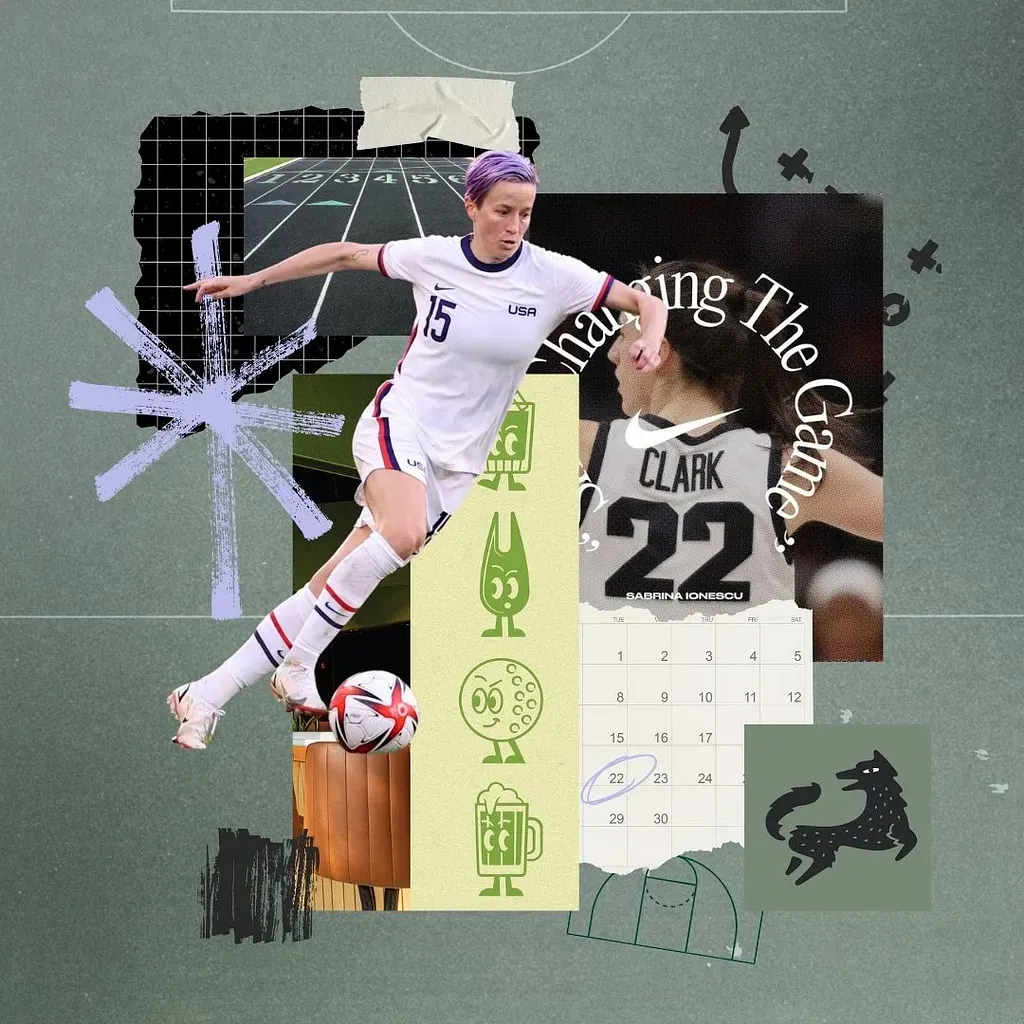
Women’s sports have entered an exciting new chapter. What was once considered an emerging market has become one of the fastest-growing areas in sports, attracting larger audiences, stronger sponsorships, increased media coverage, and significant financial investment. As leagues expand and fan communities grow, branding has become one of the driving forces behind this transformation.
This evolution is not happening because of athletes and organizations alone. Designers are playing a central role in defining how women’s sports are presented, experienced, and remembered. Every visual decision—from logos and typography to digital content and merchandise—helps shape the identity of teams, leagues, and communities.
Modern sports branding extends far beyond uniforms or team colors. It creates emotional connections, communicates values, and represents the culture surrounding a team. A strong visual identity gives supporters something meaningful to connect with while helping organizations stand out in an increasingly competitive landscape.
The launch of new franchises demonstrates how influential design has become. When a new women’s team introduces its visual identity, it is not simply revealing a logo or jersey. Every design element, including typography, colors, graphics, and storytelling, reflects local heritage, community pride, and the ambitions of the organization. These identities symbolize opportunity, representation, and the continued growth of women’s sports.
Unlike in the past, women’s sports branding is no longer following established conventions. Instead, it is setting new standards through bold creative decisions, memorable typography, vibrant color palettes, and authentic storytelling. Merchandise is also being designed with everyday wear in mind, allowing fans to express their support outside the stadium while strengthening the connection between sport and lifestyle.
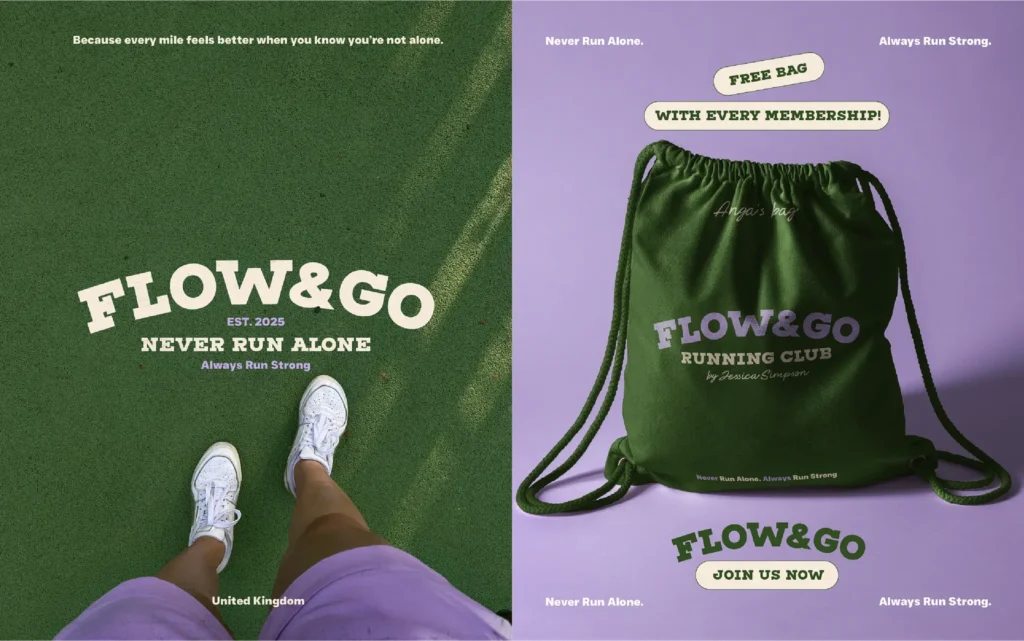
Many modern creative projects emphasize belonging just as much as athletic performance. Running clubs, community organizations, and independent sports initiatives are developing visual identities that celebrate inclusion, confidence, and shared experiences. These brands use expressive typography, flexible graphic systems, and approachable aesthetics to create communities that feel welcoming rather than exclusive.
This shift reflects a broader change throughout the sports industry. Fans increasingly support organizations whose values align with their own, making emotional connection just as important as competitive success. As a result, branding has become an essential tool for communicating authenticity and building long-term loyalty.
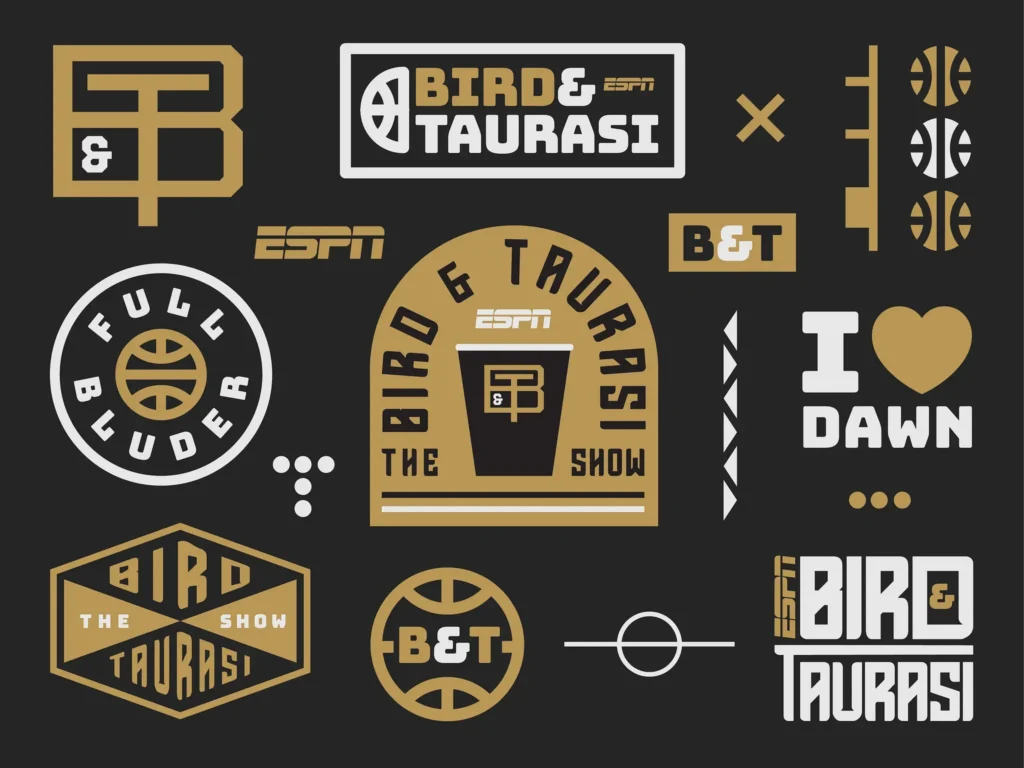
Sports media is evolving alongside the teams themselves. Broadcast graphics, social media content, podcasts, documentaries, and digital programming now feature sophisticated visual identities designed specifically for online audiences. Editorial-inspired typography, motion graphics, and social-first layouts create experiences that feel modern, energetic, and highly shareable.
Creative professionals are no longer limited to producing marketing materials after strategic decisions have been made. Instead, they help define how stories are told, how athletes are represented, and how audiences engage with sports culture across multiple platforms. Their work influences not only appearance but also perception.
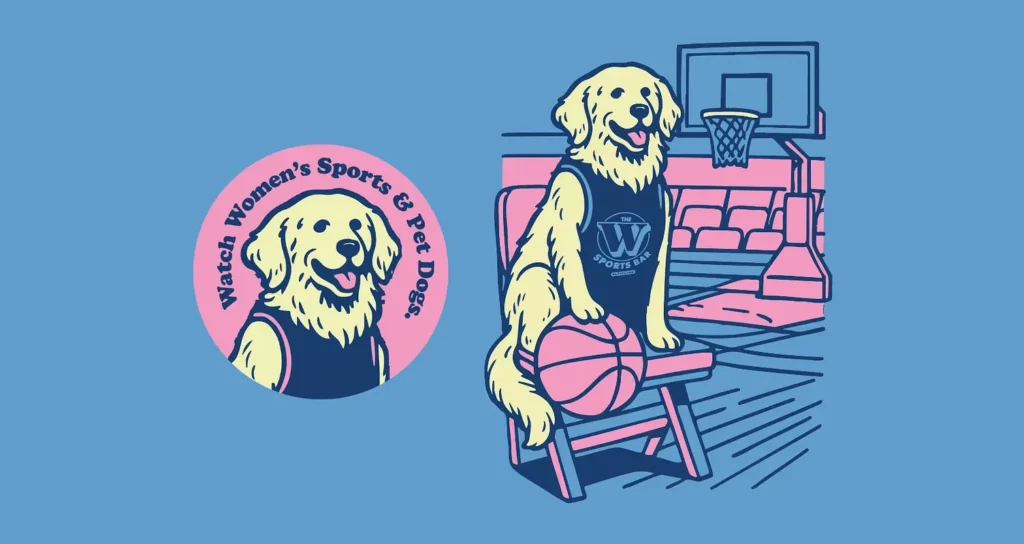
Merchandise has experienced a similar transformation. Today’s apparel is designed to function as fashion as much as fan gear. Creative illustrations, contemporary graphics, premium materials, and streetwear influences have made sports merchandise attractive to people regardless of whether they attend games regularly. Fans can express their identity through clothing that feels stylish while still representing their favorite teams or communities.
Branding now extends into nearly every touchpoint surrounding women’s sports. Event spaces, cafés, watch parties, retail experiences, digital platforms, community gatherings, and hospitality environments all contribute to the overall brand experience. Successful designers understand that creating a complete identity system is far more valuable than producing individual visual assets.
For designers, this period presents remarkable opportunities. Unlike many established men’s leagues, whose visual identities evolved gradually over decades, women’s sports are developing during a digital era. New organizations have the freedom to build brands that are modern from the beginning, embracing online communities, social media, flexible design systems, and direct engagement with fans.
This fresh environment allows creatives to shape entire ecosystems. Designers can develop logos, visual languages, merchandise collections, motion graphics, digital experiences, environmental branding, and content strategies without being restricted by outdated traditions. Every new league, team, or sporting initiative becomes an opportunity to establish an original identity from the ground up.
As investment in women’s sports continues to accelerate, organizations are actively searching for talented professionals who can build memorable brands. Identity designers, motion designers, apparel specialists, creative strategists, content creators, and digital storytellers all have an important role to play in this expanding industry.
Those already creating concept identities, community-focused sports brands, and innovative merchandise are doing more than following a growing trend. They are helping define what the future of sports branding looks like. Their work demonstrates that strong design has become an essential part of building successful teams and lasting fan communities.
The current momentum behind women’s sports represents much more than increased sponsorships, larger venues, or higher television ratings. It marks a unique moment where creativity, culture, business, and community come together to shape an entirely new generation of sports brands.
For designers willing to embrace this opportunity, the future offers far more than exciting projects. It offers the chance to influence an industry while helping create identities that inspire athletes, connect communities, and redefine how sports are experienced around the world.