Collecting user research is only the first step. The real challenge is transforming those insights into meaningful design decisions. Many product teams invest time in interviews, surveys, usability testing, and analytics, yet the findings often end up in reports that are rarely referenced again. Instead of influencing product direction, the research is archived while decisions continue to rely on assumptions or personal opinions.
To solve this disconnect, many teams have adopted a condensed version of the traditional design sprint. Rather than spending an entire week on workshops, the process is streamlined into a focused four-hour session. This shorter format keeps the most valuable elements of the original methodology while removing activities that require multiple days, such as prototyping and user testing. The result is a practical workshop that helps teams move quickly from research to actionable design ideas.
Inspired by Google’s well-known five-day sprint, the workshop concentrates on four essential activities: defining the problem, gathering inspiration, generating ideas individually, and combining the strongest concepts into one shared solution. At the end of the session, participants leave with clearly defined user problems, documented design ideas, agreed requirements, and a concept that is ready for wireframing or low-fidelity prototyping.
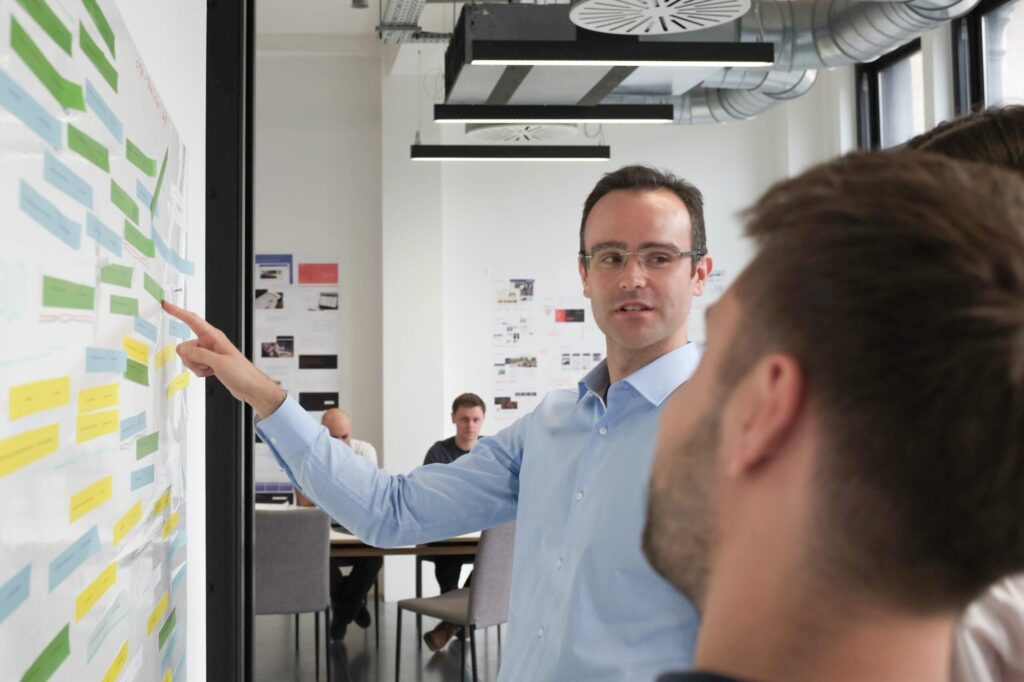
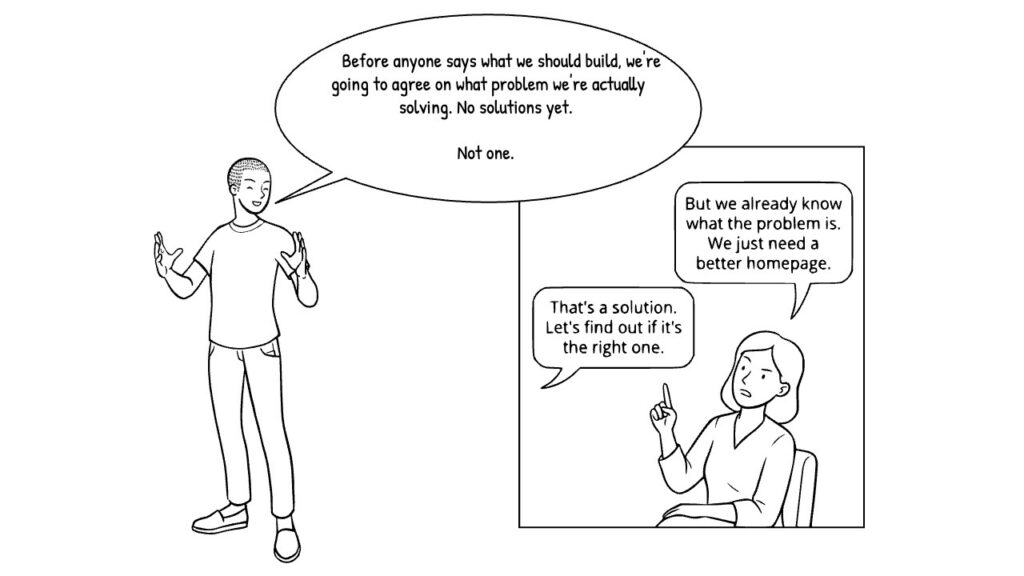
The effectiveness of this approach comes from its structure rather than its speed. Before anyone suggests solutions, the team develops a shared understanding of the users’ challenges. Individual idea generation takes place before group discussions, reducing bias and encouraging creativity. Finally, structured decision-making allows everyone to contribute while building alignment around a single direction instead of settling for compromises.
One of the biggest advantages of a four-hour sprint is its accessibility. A traditional week-long sprint demands considerable time, resources, and coordination, making it difficult for many organizations to adopt. For projects focused on a single feature or an early product concept, that level of investment is often unnecessary. The shorter format preserves the strategic value of the sprint while making it easier to schedule and complete.
Time constraints also improve productivity. Because participants know the workshop has a strict schedule, discussions remain focused and unnecessary debates are minimized. Every activity has a clear objective, allowing the team to make meaningful progress within a limited timeframe.
The workshop begins by defining the challenge from the user’s perspective. Instead of concentrating on business objectives alone, the team creates “How Might We” questions based on real user research. These questions encourage exploration while keeping attention on solving genuine user problems rather than satisfying internal requirements.
For example, instead of stating a business goal such as increasing completed purchases, the challenge might become, “How might we help customers review their order before checkout?” Once these challenges are presented, participants suggest possible solutions, organize similar ideas, and vote on the most valuable opportunities. Within a short period, the group identifies which user problems deserve the highest priority and begins exploring practical approaches to solving them.
After defining the challenges, participants examine examples from existing products and digital experiences. These references may come from completely different industries, since valuable ideas often emerge from unexpected places. The objective is not to copy another product but to understand why certain design decisions are effective and determine whether those principles can be adapted to the current project.
This inspiration stage broadens the team’s perspective and encourages more innovative thinking before any design work begins. By studying successful solutions elsewhere, participants gain fresh ideas that can influence their own concepts.
The next stage focuses on individual creativity. Each participant works independently to sketch a possible user journey or interface concept based on the previously identified challenges and inspiration. These sketches do not need to be visually polished. Instead, they should clearly communicate the proposed experience and include brief notes explaining the reasoning behind each step.
Independent idea generation is one of the strongest aspects of the sprint. It prevents early opinions from dominating the conversation and ensures every participant contributes equally. This typically results in a wider range of solutions than traditional brainstorming sessions.
Once the sketches are complete, participants review each other’s work and quietly vote on the ideas or features they believe deserve further exploration. This anonymous voting process encourages honest feedback while giving everyone shared ownership of the final outcome.
The final stage combines the strongest elements from every concept into one unified solution. Rather than selecting a single winner, the group identifies the best ideas across all proposals and merges them into a cohesive user experience. Through discussion and collaboration, the team creates a shared concept that everyone understands and supports.
By the conclusion of the workshop, participants have agreed upon a user journey, documented key requirements, highlighted assumptions, and identified potential edge cases. These deliverables provide enough information to begin creating wireframes and preparing for further validation.
A practical example of this process involved the development of a digital procurement platform for local government stakeholders. Representatives from different cities and organizations entered the workshop with varying interpretations of the problem. Structured exercises based on previous research helped shift the discussion toward real user needs instead of organizational assumptions. Anonymous voting ensured every participant had equal influence, regardless of seniority.
As the workshop progressed, the group developed a common understanding of user journeys and agreed on a unified product direction. Those early decisions became the foundation for the final application, demonstrating how strong alignment during discovery can significantly simplify later design and development.
A successful four-hour sprint produces several valuable outcomes. Teams leave with clearly defined user-centered challenges, a shared design concept, documented functional requirements, identified assumptions, and consensus among stakeholders. This alignment often reduces revisions, improves communication between designers and developers, and creates a smoother product development process.
Preparation plays an important role in the success of the workshop. The best results come from using genuine user research, including interviews, usability findings, customer feedback, analytics, or support data. Even a short planning session before the workshop can help identify the most important user problems and ensure everyone begins with the same understanding.
Running the sprint without reliable research is possible, but it carries greater risk. Since the workshop accelerates decision-making, weak or inaccurate assumptions can spread quickly throughout the design process. Building the session on real evidence gives the team confidence that they are solving meaningful problems rather than guessing what users need.
The ideal workshop includes between four and seven participants. Smaller groups may produce fewer perspectives, while larger groups become more difficult to manage effectively. A facilitator is recommended to guide the activities, monitor time, oversee voting, and keep discussions productive, although experienced teams can facilitate the workshop internally.
After the sprint, the documented concept can immediately move into wireframing or low-fidelity prototyping using modern design tools such as Figma, Relume, Claude, or ChatGPT. These early prototypes should then be validated through user testing before detailed visual design and development begin.
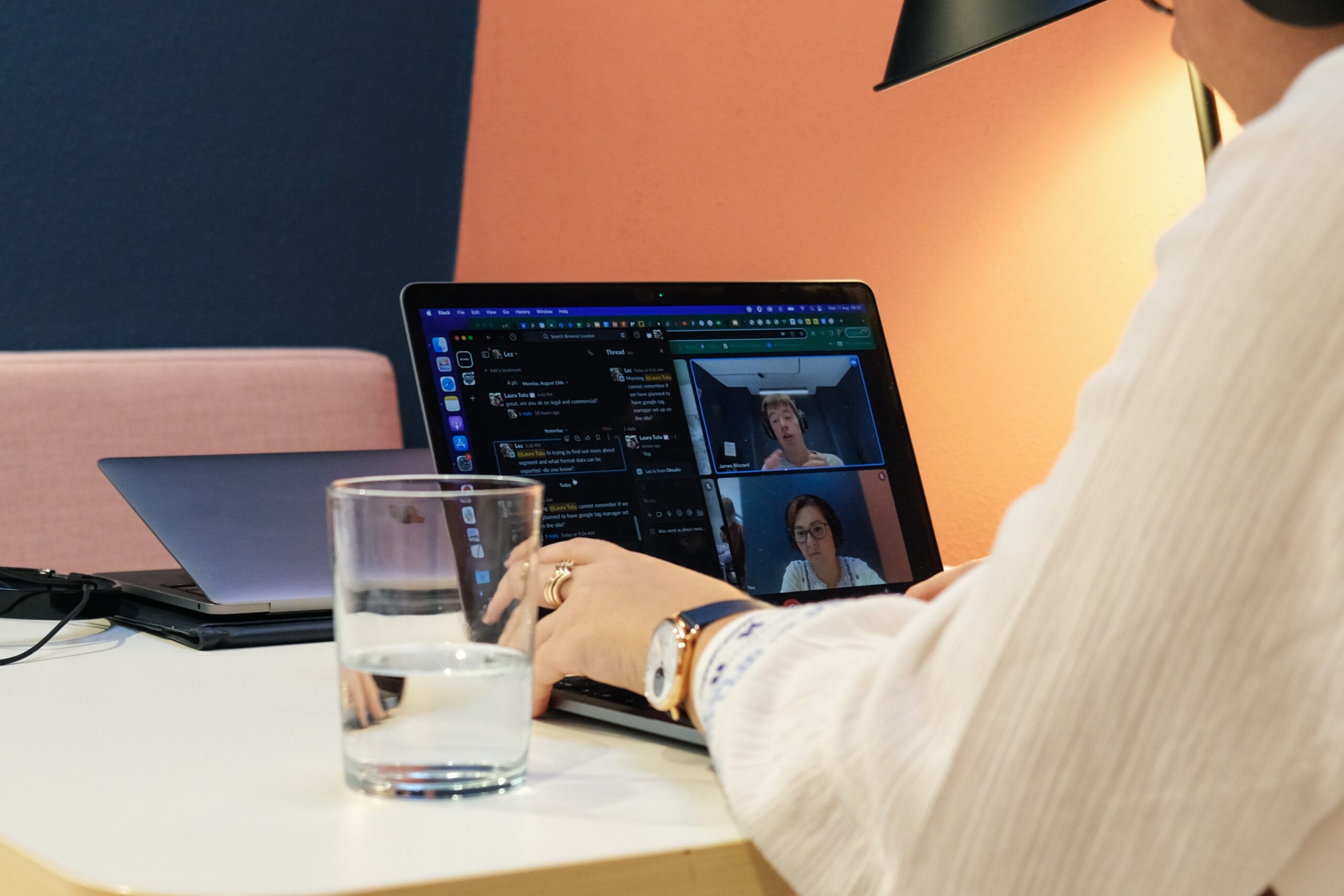
The workshop can also be conducted remotely using collaborative platforms like Miro or FigJam. Shared canvases, visible timers, and structured voting allow distributed teams to participate effectively, although scheduling the final discussion during overlapping working hours helps improve collaboration.
Rather than replacing Agile or Scrum, the four-hour design sprint complements them. It serves as a discovery and alignment activity that takes place before development begins. The workshop outputs naturally translate into epics, user stories, backlog items, and implementation plans, giving Agile teams a stronger foundation for building products that genuinely address user needs.